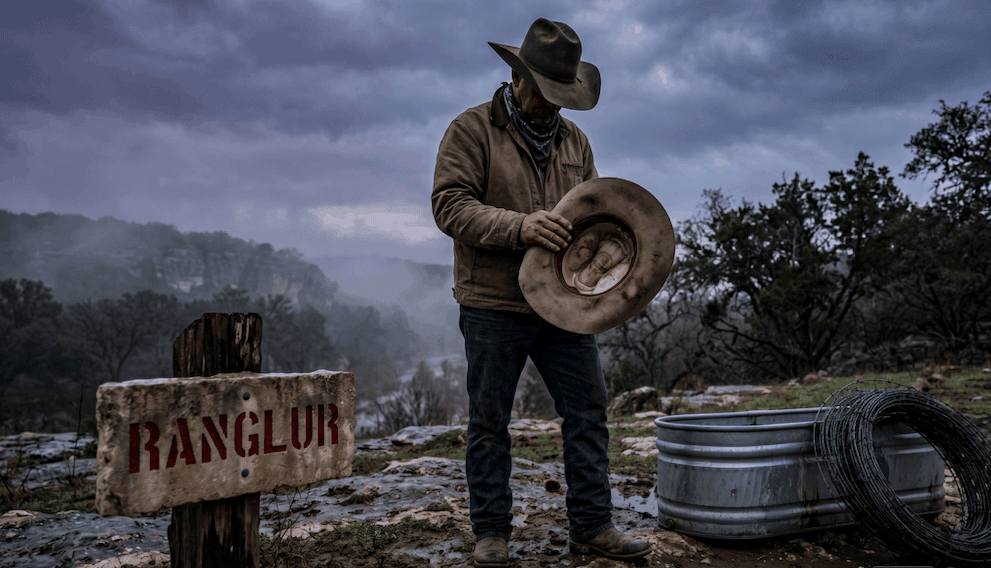
The ten-gallon cowboy hat holds three quarters of a gallon.
Not folklore. Documented fact.
The name was never a measure of capacity. It was a measure of confidence. The hat looked the part. It carried the reputation. It held up until asked to hold something other than a head.
That’s when the gap between perception and performance shows.
Most enterprise physical protection is built the same way. Named for what leadership wants it to contain. Sized for the appearance of coverage. Designed to occupy the room, not address the risk.
The architecture signals a capability it cannot substantiate under load.
The threat landscape doesn’t negotiate with branding.
Inside boardrooms and facilities managing billions, what fails is rarely the intention. It’s the infrastructure. A system calibrated to look right rather than perform right. A governance structure that fits the narrative until reality stress-tests it.
This is the condition the RANGLUR RANGEREADY Program addresses.
RANGEREADY does not begin by adding resources. It interrogates what already exists. Existing equipment, personnel, and protocols are value-engineered into one platform with the structural integrity to hold under real operating conditions.
Declared capability is measured against actual capacity. Architecture, accountability, and operational flow are aligned to perform under load. Not to pass review.
The result is measurable protection resilience. It safeguards operational uptime, enterprise valuation, and institutional credibility at the moment perception gives way to performance.
A hat named for ten gallons that holds three quarters of one is not a design flaw.
It is a governance gap wearing a familiar shape.
So the question for every leadership team is narrow: What does your protection infrastructure actually hold, and who outside the room last verified it?
Protection by Design, Not Chance