Eighty-five people died in a building that had a sprinkler system and a fire alarm.
Both were installed, and both were paid for.
That’s the MGM Grand fire, 1980. When investigators worked through what happened, they didn’t find a hotel that had skipped buying equipment.
They found sprinklers that covered only part of the building. They found an alarm system that didn’t reach every floor.
And they found two systems with no way of talking to each other.
Every component on the list had been bought. Somebody signed off on the sprinklers. Somebody signed off on the alarm. Each purchase made sense when somebody made it.
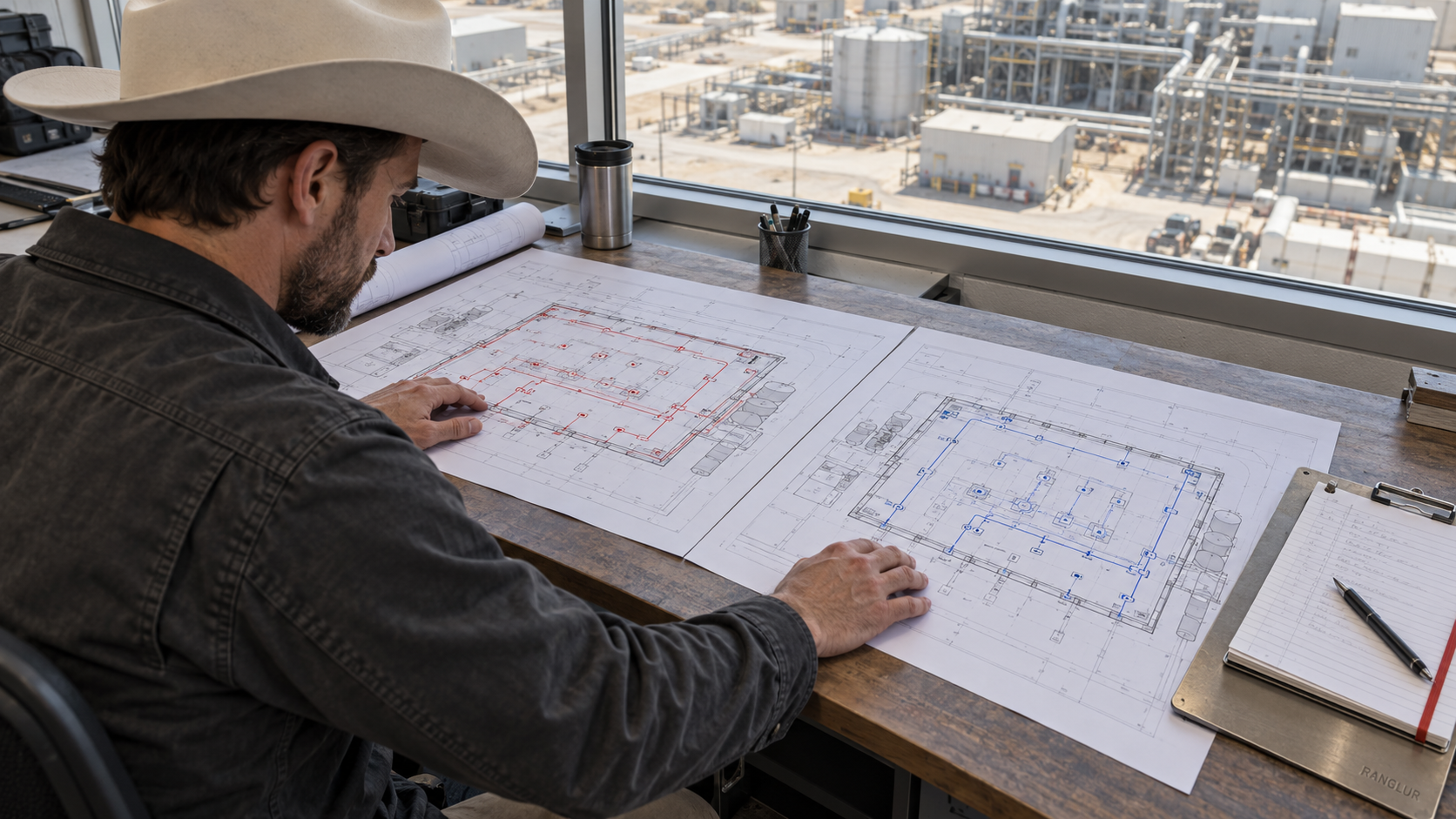
Nobody ever stood back and looked at the building as one place with one problem to solve.
Picture buying a good set of brakes from one shop and good tires from another, then never once taking the car out on the road. Each part checks out on the receipt. You still don’t know how the car stops.
That’s what that building was carrying, floor by floor, until the night it mattered.
The money had been spent. The hardware was in the walls and ceilings. The question nobody owned was whether any of it worked together.
Every dollar on that hotel’s books went toward protection. Nobody’s job was to turn those purchases into one system.
To see what continuous oversight looks like on your own facility, First Protectors is laid out here.
Protection by Design